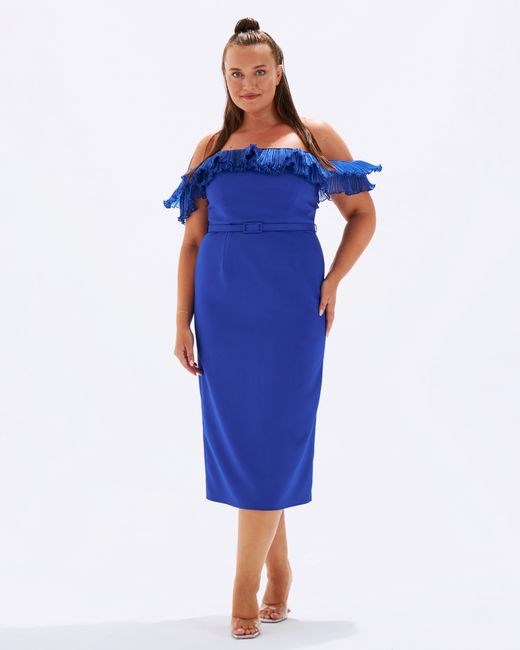
Bardot Size Guide Overview
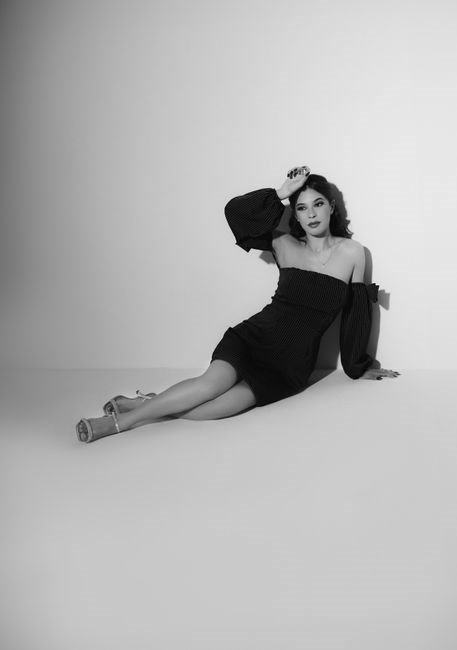
The Bardot Size Guide simplifies choosing the perfect fit by outlining precise bust and waist measurements‚ offering conversion charts for European to US sizes‚ and providing tips for adjusting fit. It ensures confidence in online purchases with clear‚ user-friendly instructions. Enjoy a flawless fit Confidence.
What is the Bardot Size Guide?
The Bardot Size Guide is a specialized sizing system created for the iconic Bardot silhouette‚ focusing on a balanced bust‚ defined waist‚ and harmonious hips. It moves beyond simple numeric charts by integrating body proportions‚ natural curves‚ and individual fit preferences. By combining precise bust and waist measurements with a detailed assessment of body shape‚ the guide directs shoppers to the most flattering size that highlights elegance while ensuring comfort. The foundation rests on accurate measurements taken at the fullest bust point‚ the narrowest waist‚ and the widest hips‚ then cross‑referenced with a comprehensive conversion table that translates metric and European sizes into the familiar US sizing framework. This dual‑measurement strategy allows shoppers to navigate international catalogs with confidence‚ reducing the risk of mis‑ordered garments and the frustration of ill‑fitting apparel. The guide also offers practical tips for adjusting fit through alterations‚ layering‚ or selecting styles that accommodate variations in body shape. Whether you are shopping for a cocktail dress‚ jumpsuit‚ or evening gown‚ the Bardot Size Guide is an indispensable tool that empowers you to choose the perfect fit and celebrate individuality. The guide is continuously updated to reflect evolving fashion trends and the growing diversity of body types‚ ensuring that every consumer‚ regardless of size or shape‚ can find a style that resonates with their personal style. Enjoy the experience! Shop confidently today and enjoy the guide!?

Why Accurate Measurements Matter
Accurate measurements are the cornerstone of a flawless fit in the Bardot Size Guide. When you measure your bust‚ waist‚ and hips with precision‚ you eliminate guesswork and reduce the likelihood of returns. A well‑taken bust measurement captures the fullest part of the chest‚ ensuring that the garment will sit comfortably without pulling or sagging. The waist measurement‚ taken at the narrowest point‚ aligns the garment’s waistline with your natural waist‚ providing a streamlined silhouette that flatters the figure. Hip measurements guarantee that the lower portion of the dress or jumpsuit drapes evenly‚ avoiding excess fabric that can cause bunching or a boxy appearance.
Beyond the physical fit‚ accurate measurements influence confidence. Knowing that a dress will sit exactly where it should allows you to focus on style and personality rather than worrying about discomfort or ill‑fitting seams. It also saves time and money; fewer exchanges mean less shipping and handling‚ and you’ll spend less time searching for the right size; For designers and retailers‚ precise measurements enable better pattern making and inventory planning‚ ensuring that each size range meets the needs of diverse customers.
In a digital shopping environment‚ where you cannot try on garments before purchase‚ the importance of accurate measurements is magnified. The Bardot Size Guide incorporates detailed instructions for measuring at home‚ including tips for using a flexible tape measure‚ choosing the right time of day‚ and accounting for posture. By following these guidelines‚ shoppers can confidently translate their measurements into the guide’s conversion charts‚ selecting the exact size that matches their body shape. Ultimately‚ accurate measurements are the bridge between a garment’s design intent and the wearer’s experience‚ turning a simple purchase into a perfectly tailored moment.

Essential Measurements
To determine your Bardot size‚ measure bust‚ waist‚ and hips accurately. Use a flexible tape‚ wrap it snugly‚ and record the numbers in centimeters. These core measurements form the basis of the size chart and guide your selection for a perfect fit. Measure at the fullest points for accuracy;!!
Bust Measurement Technique
Begin by standing upright with relaxed shoulders. Place a soft measuring tape around the fullest part of your bust‚ ensuring it sits level across the back and does not compress the breast tissue. The tape should be snug yet not tight; a slight indentation indicates proper fit. Record the measurement in centimeters. For precision‚ repeat the measurement twice and average the results. If you prefer inches‚ convert by dividing the centimeter value by 2.54. This single‚ reliable figure will correspond to the Bardot size chart‚ enabling accurate selection of styles and ensuring optimal comfort and support. Remember to keep the tape parallel to the floor and avoid twisting. Consistency is key: use the same tape measure each time‚ and measure at the same time of day to account for natural body changes. By following these steps‚ you’ll obtain a trustworthy bust measurement that aligns with Bardot’s sizing standards‚ helping you find the perfect fit for your silhouette.
When measuring‚ ensure the tape is not twisted and stays level around the bust. A common mistake is placing the tape too high‚ which can understate the true bust circumference. For a more accurate reading‚ have a friend assist or use a mirror to check alignment. After measuring‚ double-check by taking a second reading; discrepancies over 2 cm may indicate an error. Remember to keep your breathing normal and avoid holding your breath‚ as this can slightly alter the measurement; Finally‚ record the number exactly as displayed‚ rounding only if the chart requires it. This meticulous approach guarantees that the size you select will fit comfortably and look proportionate‚ reflecting the classic Bardot silhouette.
Waist Measurement Technique
To capture an accurate waist measurement for the Bardot size guide‚ begin by standing with your feet together and your shoulders relaxed. Locate the natural waistline—the narrowest part of your torso‚ typically just above the belly button and below the rib cage. If your body shape does not present a clear waist‚ identify the point where the torso starts to taper toward the hips. Use a flexible‚ non‑stretching measuring tape. Wrap the tape around the waist‚ ensuring it sits snugly against the skin without compressing the abdomen. The tape should remain level across the back and front‚ parallel to the floor. Keep the tape straight‚ avoiding any twists or kinks that could skew the reading. After positioning the tape‚ inhale normally‚ then exhale slightly and read the measurement at the point where the tape meets the starting point. Record the value in centimeters. For consistency‚ repeat the measurement twice and take the average if the readings differ by more than 1 cm. If you prefer inches‚ convert by dividing the centimeter value by 2.54. This precise waist figure will align with the Bardot sizing chart‚ ensuring that the chosen garment fits comfortably and flatters your silhouette. Remember to measure at the same time of day and under similar conditions each time‚ as natural body fluctuations can affect the result. By following these steps‚ you’ll obtain a reliable waist measurement that supports an accurate size selection for your Bardot apparel; Additionally‚ always double‑check the measurement after weight change to maintain daily fit.
Hip Measurement Technique
Begin by standing upright with your feet together‚ ensuring your posture is natural and relaxed. Identify the widest part of your hips‚ typically located around the buttocks and the upper thighs. This is the point where the circumference is greatest. Place a flexible‚ non‑stretching measuring tape around this area‚ making sure the tape lies flat against the skin and does not dip into the thighs or create a sag. Keep the tape level horizontally‚ parallel to the floor‚ and avoid twisting it. Once positioned‚ inhale normally‚ then exhale slightly and read the measurement at the point where the tape meets the starting point. Record the value in centimeters. For consistency‚ repeat the measurement twice and use the average if the two readings differ by more than 1 cm. If you prefer inches‚ convert the centimeter value by dividing by 2.54. This precise hip measurement will align with the Bardot sizing chart‚ ensuring that the chosen garment fits comfortably and flatters your silhouette. Remember to measure at the same time of day and under similar conditions each time‚ as natural body fluctuations can affect the result. By following these steps‚ you’ll obtain a reliable hip measurement that supports an accurate size selection for your Bardot apparel. Additionally‚ always double‑check the measurement after any significant weight change to maintain daily fit. Use a soft measuring tape for better accuracy‚ and avoid using a ruler or a stiff tape that can distort the measurement. If you have a partner‚ ask them to help hold the tape steady while you read the number. When measuring‚ ensure that your hips are not tilted or slanted; keep your pelvis level. After taking the measurement‚ compare it with the Bardot size chart to confirm the correct size. If your hip measurement falls between two sizes‚ consider the fit preference: a tighter fit for a more tailored look or a looser fit for comfort. Finally‚ store your measurements in a dedicated notebook or digital app so you can reference them for future purchases‚ ensuring consistency across brands and styles. Remember‚ the hip measurement is crucial for ensuring that the back of the garment sits properly and that the garment does not ride up or sag. Consistency in measurement technique across different garment types will help you build a reliable sizing profile over time. When measuring‚ it is essential to keep the tape snug but not tight‚ as an overly tight tape can compress the hips and give an inaccurate reading. Pay attention to the tape’s tension and adjust it as needed. Also‚ be mindful of clothing; measure over thin layers to avoid adding bulk. Finally‚ record the measurement promptly. This ensures a reliable fit across seasons and styles.

Size Conversion Charts
The Bardot Size Conversion Charts link European‚ US‚ and metric measurements‚ letting shoppers translate bust‚ waist‚ and hip data accurately. Referencing these tables ensures you pick the right size across brands worldwide reducing returns and boosting confidence for a flawless fit.
European to US Size Conversion
When shopping for Bardot garments‚ converting European (EU) sizes to U.S. (US) equivalents is essential for a proper fit. The conversion follows a consistent pattern: subtract 30 from the EU number to obtain the US size. For example‚ an EU 44 translates to a US 14‚ while an EU 34 becomes a US 4. This rule applies to most women’s apparel‚ including dresses‚ tops‚ and lingerie. However‚ some brands may adjust slightly‚ so always cross‑check with the brand’s specific chart. For EU 38‚ the US size is 8; EU 42 maps to US 12; EU 48 equals US 18‚ and EU 52 corresponds to US 22. If you’re between sizes‚ consider the garment’s fit style—slim‚ regular‚ or relaxed—as this can shift the effective size by half a step. Additionally‚ metric measurements (centimeters) can be converted to inches by dividing by 2.54‚ then matched to the US size list. Using these guidelines‚ you can confidently pick the right Bardot size‚ ensuring a flattering silhouette and optimal comfort.
To further refine your selection‚ measure your bust circumference at the fullest point‚ your waist at the narrowest point‚ and your hips at the widest point. Compare these numbers to the brand’s size chart; most charts list bust‚ waist‚ and hip ranges. If your measurements fall between two sizes‚ choose the larger size for a relaxed fit or the smaller for a more tailored look. Remember‚ fabric type—cotton‚ silk‚ or stretch—affects how the garment drapes. Light fabrics tend to skim the body‚ while heavier fabrics provide structure.
and fit for everyday use now
Metric to Imperial Conversion
When navigating Bardot sizing‚ converting metric measurements (centimeters) to imperial units (inches) is crucial for accurate fit. The standard conversion factor is 1 inch equals 2.54 centimeters. Thus‚ to convert a metric measurement to inches‚ divide the centimeter value by 2.54. For example‚ a bust measurement of 88 cm divided by 2.54 yields approximately 34.65 inches‚ which aligns with a US 14 in many Bardot charts. A waist of 68 cm becomes roughly 26.77 inches‚ matching a US 8. Hips of 96 cm translate to about 37.80 inches‚ corresponding to a US 16. It is advisable to round to the nearest half‑inch when consulting brand charts‚ as most retailers list sizes in half‑inch increments. Additionally‚ many Bardot size guides provide a direct metric range for each US size‚ allowing shoppers to cross‑check without conversion. For instance‚ a US 12 typically covers a bust of 90–92 cm‚ a waist of 70–72 cm‚ and hips of 98–100 cm. Using these ranges‚ you can confirm that your metric measurements fall within the desired size. Always remember that fabric stretch and garment style can shift the fit by a few centimeters‚ so consider a slight adjustment if your measurements sit near the upper or lower bounds of a size range. By mastering metric‑to‑imperial conversion‚ you’ll confidently select the Bardot size that offers both comfort and style‚ ensuring a flawless fit for any occasion. For occasions

Fit Tips and Adjustments

Match your bust‚ waist‚ and hip to the Bardot chart. If between sizes‚ pick the larger bust for a relaxed fit. For a tighter waist‚ choose a smaller size or add a waist cincher. Use a bra strap or belt to refine the silhouette and boost comfort all day. Add a snug bra for support and a waist belt for a polished look.!
Choosing the Right Fit for Your Body Type
When selecting a Bardot size‚ consider your body shape. For apple‑shaped figures‚ prioritize a higher waistline and a slightly looser bust to avoid excess fabric. Pear‑shaped wearers should look for a snug waist and a relaxed hip cut‚ ensuring the lower half is balanced. Hourglass bodies benefit from a tailored waist and a balanced bust‑hip ratio‚ so choose a size that accentuates curves without excess. Rectangle‑shaped frames need a defined waist; opt for a tighter waist cut and a slightly fuller bust to create an hourglass illusion. For tall or petite frames‚ adjust the length: taller individuals may prefer a longer leg cut‚ while shorter frames benefit from a slightly shorter cut to avoid a disproportionate look. Always try on multiple sizes if possible‚ and use the Bardot conversion chart to confirm that your measurements align with the recommended size. Remember‚ the goal is a comfortable‚ flattering fit that highlights your natural shape while providing support and confidence throughout the day.
Additionally‚ consider the fabric type: lighter materials suit warmer climates‚ while thicker fabrics provide structure for cooler weather. Pay attention to the seam placement; a seam that sits at the natural waist can enhance silhouette. If you have a pronounced belly‚ a higher waist cut can provide a smooth line. For those with wider hips‚ a slightly flared cut can distribute volume evenly. Finally‚ always check the return policy before committing‚ as online purchases may require adjustments.
Use a mirror and a friend’s help to ensure the garment sits evenly on both sides.!!!
Adjusting for Tighter or Looser Fits
Adjusting for tighter or looser fits involves a few practical steps. First‚ measure your bust‚ waist‚ and hips accurately‚ then compare those numbers to the Bardot size chart. If you find yourself between sizes‚ consider the fit you prefer: a tighter cut will accentuate curves‚ while a looser cut offers comfort and ease of movement. For a tighter fit‚ opt for the lower size on the chart; the fabric will compress slightly‚ giving a snug silhouette. If you need a looser fit‚ choose the next higher size; the extra room will reduce pressure on the bust and waist. Additionally‚ many Bardot garments feature adjustable elements such as elastic waistbands or hidden straps. Tighten or loosen these as needed to fine‑tune the fit. For looser styles‚ you can add a waist belt or a small corset to cinch the waist and prevent the garment from sliding. When trying on a looser size‚ pay attention to the fabric’s drape; a too‑loose garment may shift and create a boxy appearance. Use a mirror to check symmetry and ensure the garment sits evenly on both sides. If the garment still feels too tight at the bust‚ consider a size up or a different style with a higher cut. Conversely‚ if the waist feels too loose‚ a smaller size or a tighter style will help maintain shape. Finally‚ remember that fabric type influences fit: lighter cottons stretch more than heavier wools‚ so adjust accordingly. By following these guidelines‚ you can confidently tweak your Bardot size for optimal comfort and style. This approach ensures a personalized fit for every occasion. Enjoy.

Buying & Return Policies
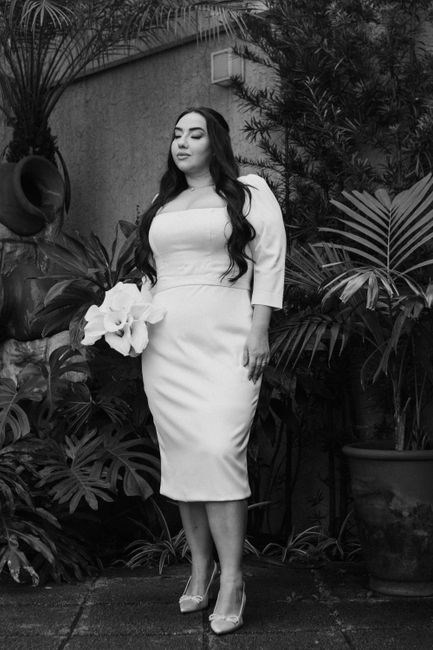
When buying Bardot sizes online‚ most sites allow returns within 30 days. Keep garments unworn with tags‚ and return in original packaging. Contact customer support for exchanges or refunds‚ and retain your order confirmation for a hassle‑free return. Quick.
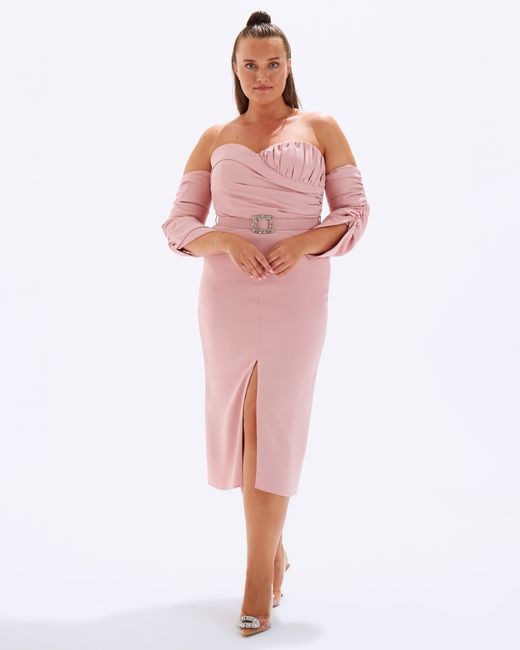
Online Shopping Tips for Bardot Sizes
Shopping online‚ double‑check the size chart and compare it to your own measurements. If the brand offers a size‑finder quiz‚ use it to narrow down options. Pay attention to fabric type and stretch; a knit may fit differently than a woven piece. Read customer photos and reviews for realfit. Shopping online‚keep the original tags and packaging for returns. Finally‚ confirm shipping and return policies before finalizing the purchase. Happy shopping!!