
Tzumi Alarm Clock Instructions: A Comprehensive Guide
Navigating this guide unlocks the full potential of your Tzumi clock‚ covering setup‚ features‚ troubleshooting‚ and safety – ensuring a seamless experience.
Understanding Your Tzumi Wireless Charging Alarm Clock
Your Tzumi Wireless Charging Alarm Clock is a versatile device‚ combining timekeeping with convenient wireless charging for compatible smartphones and earbuds. It features a modern LED display for clear time and alarm indication. This clock isn’t just about waking you up; it’s designed to streamline your bedside setup.
Key functionalities include setting multiple alarms‚ adjusting display brightness‚ and utilizing the wireless charging pad. Understanding these features‚ as detailed in the user manual available online‚ will maximize your experience. Remember to consult the manual for your specific model!

Unboxing and Initial Setup
Upon unboxing your Tzumi Wireless Charging Alarm Clock‚ carefully inspect the contents. You should find the clock itself‚ a power adapter‚ and potentially a quick start guide. Before first use‚ connect the power adapter to a suitable outlet and the clock.
Ensure a stable power connection. Initial setup may involve pressing and holding the power button to activate the device. Refer to your specific model’s manual (found online via search) for detailed instructions. A backup battery might require installation for memory retention.
Identifying Key Buttons and Features
Your Tzumi clock boasts several key controls. The power button activates and deactivates the device‚ while the Snooze/Light button offers temporary alarm silencing and display illumination. Locate the wireless charging pad – typically on the clock’s top surface – for compatible device charging.
The LED display showcases time‚ alarm settings‚ and charging status. Additional buttons control time/alarm adjustments and volume. Familiarize yourself with each button’s function for optimal operation‚ consulting the manual for specifics.

Power Button Functionality

The power button on your Tzumi alarm clock serves as the primary on/off switch. A short press typically activates the clock‚ displaying the current time. Holding the button for a few seconds initiates a complete shutdown. Upon powering on‚ the clock automatically reverts to its previously set time and alarm configurations.
In some models‚ a quick press may also cycle through display modes. Refer to your specific model’s manual for detailed power button behavior and any additional functionalities.
Snooze/Light Button Usage
The Snooze/Light button on your Tzumi clock performs dual functions. A quick press during an alarm activates the snooze feature‚ granting a few extra minutes of sleep before the alarm repeats. A longer press typically illuminates the LED display‚ providing visibility in low-light conditions.
The brightness level may be adjustable‚ and some models offer varying light intensities with each press. Consult your user manual for specific snooze duration and light control options.
Wireless Charging Pad Location & Operation
Your Tzumi clock features an integrated wireless charging pad‚ usually located on the top surface. Simply place a compatible smartphone or device onto the pad to initiate charging – no cables needed! Ensure proper alignment for optimal charging efficiency.
The output is typically 6W‚ supporting various Qi-enabled devices. Check compatibility and troubleshoot issues by ensuring the device is centered and free from obstructions.
Setting the Time on Your Tzumi Clock
Accurate timekeeping is crucial! Begin by locating the ‘Set’ or ‘Time’ button – consult your specific model’s manual for precise location. Press and hold this button to enter time-setting mode. Use the ‘Hour’ and ‘Minute’ buttons to adjust the values accordingly.
Pay close attention to the AM/PM indicator‚ ensuring the correct time of day is selected. Confirm your settings by pressing the ‘Set’ button again to save;
Adjusting Hours and Minutes
Precise adjustments are key! Once in time-setting mode‚ the hour display will typically flash first. Use the designated ‘Hour’ button – often marked with an ‘H’ or up/down arrows – to increment or decrement the hour. Repeat this process for the minutes‚ utilizing the ‘Minute’ button.
Each press should change the value by one unit. Ensure you’re setting the correct AM or PM designation simultaneously for accurate timekeeping. Confirm changes with the ‘Set’ button.
AM/PM Configuration
Selecting the correct time period is crucial. After setting the hour‚ the AM/PM indicator will often become active. Use the ‘Set’ or ‘Mode’ button to toggle between ‘AM’ (Ante Meridiem – before noon) and ‘PM’ (Post Meridiem – after noon).
Verify the displayed indicator matches your desired time. Some models might cycle through options with each press‚ while others use a dedicated button. Double-check this setting to avoid alarm discrepancies and ensure accurate time display throughout the day.
Setting the Alarm
Initiating the alarm setup is typically done via a dedicated ‘Alarm Set’ or ‘Mode’ button. Pressing this button enters alarm configuration mode‚ allowing you to adjust the desired wake-up time. Use the hour and minute buttons to set the alarm hour and minute‚ mirroring the time-setting process.
Confirm your selections‚ often by pressing the ‘Set’ button again. Ensure the alarm indicator is illuminated‚ confirming activation. Refer to your specific model’s manual for detailed instructions‚ as procedures can vary.

Setting a Single Alarm
To set a single alarm‚ first enter alarm setting mode – usually by pressing an ‘Alarm Set’ button. Then‚ utilize the hour and minute buttons to precisely define your desired wake-up time. Confirm your selection by pressing the ‘Set’ button once more; a visual indicator‚ like an alarm icon‚ should illuminate on the LED display.
This confirms the single alarm is active. To deactivate‚ re-enter alarm mode and either adjust the time to an invalid setting or disable the alarm function directly.
Using Multiple Alarms (If Applicable)
If your Tzumi model supports multiple alarms‚ accessing this feature typically involves repeatedly pressing the ‘Alarm Set’ button to cycle through available alarm slots. Each press allows you to configure a new‚ independent wake-up time‚ mirroring the single alarm setup process for hours and minutes.

Ensure each alarm is individually enabled or disabled as needed. The display may show multiple alarm icons to indicate active alarms‚ offering flexible scheduling for varied routines.
Adjusting Alarm Volume
Controlling the alarm’s loudness is crucial for a gentle or assertive wake-up. Typically‚ dedicated ‘+’ and ‘-’ buttons‚ or a volume control button‚ adjust the alarm volume in increments. Pressing ‘+’ increases the volume‚ while ‘-’ decreases it.
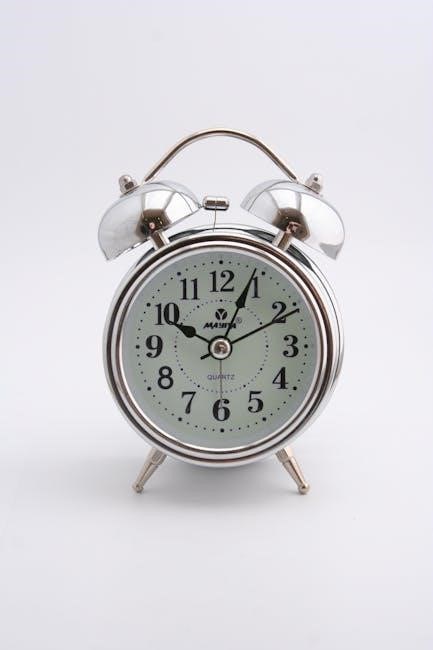
Some models feature multiple volume levels‚ allowing personalized settings. Preview the selected volume during setup to ensure it’s appropriate. Remember to test the alarm to confirm your chosen level is effective.
Utilizing the Wireless Charging Feature
The Tzumi clock offers convenient wireless charging for compatible devices. Simply place your Qi-enabled smartphone or earbuds on the designated charging pad. Ensure proper alignment for optimal charging – a charging indicator light usually confirms connection.
Output is typically 6W‚ supporting various devices. If charging isn’t initiating‚ verify device compatibility and remove any obstructions. Keep the distance between the cell phone and the earbuds minimal for best results.
Compatible Devices
The Tzumi wireless charging pad supports Qi-enabled smartphones‚ including many recent iPhone and Android models. Wireless earbuds with Qi charging capabilities are also compatible. Check your device’s specifications to confirm Qi support before attempting to charge.

While broadly compatible‚ some phone cases may interfere with charging. If experiencing issues‚ try removing the case. The output power is 6W‚ suitable for most modern devices‚ ensuring efficient and reliable wireless power transfer.
Troubleshooting Wireless Charging Issues
If your device isn’t charging‚ ensure it’s Qi-enabled and properly aligned on the pad. Remove any cases‚ as they can obstruct the connection. Verify the power adapter is securely connected to both the clock and a working outlet.
A weak connection or incompatible device can also cause issues. Try a different Qi-enabled device to isolate the problem. If problems persist‚ disconnect the clock from power and briefly remove the backup battery.
Understanding the LED Display
The Tzumi clock’s LED display provides essential information at a glance‚ including the current time‚ alarm status‚ and charging indicators. Adjust the brightness to suit your preference for comfortable viewing‚ especially at night. Familiarize yourself with the display icons; they signal alarm activation‚ wireless charging status‚ and potential errors.
A clear understanding of these indicators ensures optimal use and quick identification of any operational issues. Refer to your model’s specific manual for detailed icon explanations.
Display Brightness Adjustment
Customize your viewing experience by adjusting the LED display’s brightness. Typically‚ a dedicated button or a sequence of button presses controls this feature. Lowering the brightness minimizes nighttime glare‚ promoting better sleep. Conversely‚ increasing it ensures clear visibility during daylight hours.
Experiment with different levels to find what’s most comfortable for your environment. Consult your specific model’s manual for precise instructions on brightness control‚ as methods may vary.
Interpreting Display Icons
The Tzumi clock’s LED display utilizes icons to convey essential information at a glance. Common icons indicate alarm status (on/off)‚ wireless charging activity‚ and time mode (12/24 hour). A flashing alarm icon signals an active alarm‚ while a charging symbol confirms wireless power transfer.
Refer to your model’s manual for a complete icon glossary. Understanding these visual cues simplifies operation and allows you to quickly monitor your clock’s functions.
Troubleshooting Common Issues
Encountering problems? Here’s a quick guide. If the alarm doesn’t sound‚ verify it’s enabled and the volume isn’t muted; For wireless charging failures‚ ensure device compatibility and proper placement on the pad. Check the power adapter and consider removing/reinstalling the backup battery.
If issues persist‚ a reset (see dedicated section) may resolve them. Consult online manuals for model-specific solutions and further assistance.
Alarm Not Sounding
If your Tzumi alarm fails to activate‚ first confirm the alarm is properly set and enabled within the clock’s settings. Double-check the volume level; it may be set too low or muted entirely. Ensure no other settings are overriding the alarm function.
Try disconnecting and reconnecting the power source. If the problem continues‚ consult the user manual or consider a full system reset as a last resort.
Wireless Charging Not Working
When wireless charging isn’t functioning‚ verify your device is Qi-enabled and correctly positioned on the charging pad. Remove any cases or metallic objects between the phone and the pad‚ as these can interfere with charging.
Ensure the clock is properly connected to a power source. A reset might resolve the issue; otherwise‚ check compatibility or contact Tzumi support for assistance.
Resetting Your Tzumi Alarm Clock
To reset your Tzumi clock‚ disconnect it from the power outlet. Removing the backup battery can also facilitate a complete reset‚ ensuring all settings revert to their factory defaults.
Reconnect the power‚ and then reconfigure the time‚ alarms‚ and wireless charging preferences. This process resolves many software glitches and restores optimal functionality. Refer to the initial setup instructions for guidance.
Safety Precautions and Warnings
Always operate the Tzumi alarm clock within the specified power input range to prevent damage. Keep the device away from excessive moisture or liquids‚ and avoid extreme temperatures.
Do not disassemble the clock; repairs should only be performed by qualified personnel. Ensure proper ventilation around the device‚ and keep it away from flammable materials. Wireless charging may interfere with medical devices – consult a physician if necessary.
Technical Specifications
The Tzumi Wireless Charging Alarm Clock boasts a 6W output power for wireless charging‚ supporting a frequency response of 20-18000HZ with a /-3dB tolerance. Signal-to-noise ratio reaches 80dB‚ ensuring clear audio.
Input voltage requirements are standard‚ and the device is designed for indoor use only. Dimensions and weight vary slightly by model. These specifications guarantee optimal performance and compatibility with various devices.
Output Power (Wireless Charging)
The Tzumi Wireless Charging Alarm Clock delivers a consistent 6W of power for efficient wireless charging of compatible smartphones and earbuds. This output is optimized for quick and reliable charging‚ though actual charging speeds may vary based on the device.
Ensure your device supports Qi wireless charging to benefit from this feature. The charging pad is designed for standard placement‚ maximizing energy transfer and minimizing wasted power.
Frequency Response
The Tzumi Alarm Clock’s speaker system boasts a frequency response range of 20-18000Hz‚ with a tolerance of +/-3dB. This broad spectrum ensures clear audio reproduction across various frequencies‚ delivering crisp highs and rich lows for alarm sounds and any music played through the device.
A signal-to-noise ratio (S/N) of 80dB minimizes background interference‚ providing a clean and enjoyable listening experience.
Finding Your Specific Tzumi Model Manual Online
Locating the correct manual is crucial for optimal use. Start by searching online using “Tzumi” and your specific model number. Websites like Manua.ls currently host one Tzumi manual‚ with more potentially added over time.
Google searches‚ such as “Tzumi ClockRadio6696DG manual‚” can also yield results. Remember to check for PDF versions for easy downloading and viewing. These resources provide detailed instructions tailored to your device.